Showing posts with label Album review. Show all posts

Thursday, September 06, 2012

As I Lay Dying - Awakened Album Review

As I Lay Dying have been a staple of my metalcore playlists since discovering Beneath the Encasing of Ashes in college, late 2001. And since 2005, they've been a perennial favorite, once they became laser-focused on their cultivation of slick, aggressive, melody-infused, modern metalcore. From then to now we've seen them getting slightly more refined with each release, demonstrating an evolving maturity and the ability to hold off stagnation. From Shadows Are Security to An Ocean Between Us to The Powerless Rise As I Lay Dying grew stronger with each album, setting the bar for high-quality metalcore a bit further up each time. And when we were treated to 3 new tracks on the compilation album Decas, each of them pointed to their next full length, Awakened, being a further progression forward for the band. Listeners were given a small taste of Awakened a couple of weeks back with the track "Cauterize," which was a song that, uncharacteristically, took a few spins to sink in and catch on. Because of this, I began to feel a bit wary for Awakened.

With the full album finally in hand and numerous listens put in, that wariness was warranted. Before I get lambasted by As I Lay Dying fans everywhere, let me point out that this is a very solid album. If it was released by any other metalcore band, it could be a career-maker. However, we're talking about As I Lay Dying, one of the reigning kings of the metalcore realm, so the bar is set a bit higher for them. As mentioned previously, "Cauterize" turned out to be a very catchy track after multiple listens and it, in fact, turns out to be one of the catchiest songs on the album… which is the album's main problem.

Unlike past albums where there were at least 3 or 4 songs that stood head and shoulders above the rest (think "Confined" or "Nothing Left" or "Vacancy" for examples), Awakened almost completely lacks standout songs. Yes, this leads to a very level and consistent album, but it also treads dangerously close to "forgettable" territory as well. Knowing that this album was very quickly written and recorded, that may be what ultimately held the band back.

Let's be clear, however, that if you are an As I Lay Dying fan, you will definitely love this album, maybe just not as much as their other efforts. There are some classic AILD moments that will stand out, such as the breakdowns on "Defender," the always well done combination of melodic vocals mixed with aggressive instrumentation as seen on "A Greater Foundation," and "My Only Home," which is as close to a standard AILD song template as you'll find. There are great moments, for sure, which I don't want to go unmentioned, but that's really the expectation for As I Lay Dying, so when they aren't firing on all cylinders all of the time, it's noticeable.

Beyond the general feeling of being unmemorable, a few songs stand out as being particularly weak (again, by As I Lay Dying standards). "Resilience," being the 3rd track of the album right after 2 relatively great songs, is somewhat generic and feels a bit phoned in with some slightly forced cleans and a couple of repetitive sections. "Whispering Silence" sees the band being their most radio-rock-friendly. Outside of the interjection of some harsh vocals, this song is primed for radio play, which may come across to long time fans as a softening of the band. Lastly, "Overcome" takes a little bit too long to really get moving. The intro section could have been cut or beefed up a bit to make it a stronger start to the song.

As a whole, Awakened is still a very competent album, but it is a bit of a side-step for As I Lay Dying. I wouldn't say they've taken a step backwards, but they are shuffling their feet as they figure out how to keep stepping forward. Given time, this may grow on many, but it may also lead to a growing desire in fans for another new album sooner rather than later.

Thursday, August 23, 2012

Abel - Make It Right Album Review

In the past I've had a hard time when it comes to listening to Abel's music, mostly because of the extremely blatant and over-the-top Christian lyrics (see my comment in Decoy's review of The Honest Love). The underlying music was always a very competent emo/indie blend that's usually easy on the ears--inoffensive, measured dynamics, and just enough differentiation to stand slightly above background music. Those lyrics, though, were just too much to get past.

On Make It Right, Abel has matured greatly, shedding some of their tendencies to be simplistic songwriters and stick to overtly preachy lyrics. That's not to say they don't sometimes revert to some of these tendencies, but even from the outset when listening to "I'll Be Waiting" you know that this is a different band as they have a newly found edge to their music; there's a fury there that wasn't there before.

After the solid opening, "Fire Walk With Me" comes across as possibly one of the best songs on the album. Starting off with a chanted beginning, the song is able to capture the Christian beliefs of the band without being too cheesy, let's the band create a catchy indie emo vibe, and still introduces some southern flavor to the whole thing. If any song demonstrates how much this band has grown up, this is it.

In growing up, Abel also hearken back to the good ol' days of the early 00's emo scene where bands like Further Seems Forever, The Juliana Theory, and Jimmy Eat World reigned supreme. You can hear hints of each throughout the album at different points. Abel never directly rip off these stalwarts, but they are easily identified as influential components that guided the direction, whether blatant or not, of where Abel have traveled.

What keeps them from being mere clones is a combination of infusing their songs with an easy-going, southern, pop-rock component while also pulling in some minor, modern, post-hardcore tics. These tics mostly revolve around some of the more aggressive moments, like on the aforementioned opening track, or on "Fine Lines," or "Daughter," where they sometimes feel natural… but not completely in the band's wheelhouse quite yet. They add some much needed dynamics, but sometimes pull you away from the feel of the rest of the album.

It deserves mentioning one last time--these guys have definitely grown up, demonstrating that in some cases a band simply needs time to get to a point where they are confident, experienced, and mature enough to put forth a solid album. Abel are now a follow-up album away from cementing themselves as masters of this genre.

Tuesday, August 07, 2012

A Hero A Fake - The Future Again Album Review

You may or may not have complained about having to learn geometry in high school, wondering when you'd ever need to know what a rhombus was or when you'd use a logarithmically expanding curve. Since you may not have loved geometry, math, statistics, or any of those other classes you'll "probably never use," I'll keep it simple (something A Hero A Fake also did this time around… but I'll get to that shortly) and talk about a simple bell curve shape since A Hero A Fake's career trajectory, to this point, seems to fit it perfectly. So class, let's take a look at the figure below!


When Volatile presented A Hero A Fake to the metalcore world, it was pretty rough around the edges and there weren't a lot of fully realized, high-quality songs to be found. However, there was a lot of potential there that could be tapped, so on the figure above we see the band starting out around a 2 rating at the beginning of their career.

With Let Oceans Lie we saw exactly what A Hero A Fake was capable of. They tapped into their potential, creating some very solid, if slightly derivative, Between the Buried and Me styled progressive metalcore. The trajectory that the band was on from Volatile to Let Oceans Lie promised even greater things for the band in the future.

But then we have The Future Again… and with it gone are many of the progressive elements, replaced with breakdowns, underdeveloped songs, continued weak vocals, and a real lack of anything substantive. A Hero A Fake has regressed backwards to the level they were at when they first released Volatile which, if we extrapolate out further into their future, doesn't bode well for them.

Setting the graph above aside, it was quite a let down to sit through the extremely short 8 track album that is The Future Again. Even though it's classified as a full length, I'm hesitant to treat it as one. At under 28 minutes, it feels a lot more like a glorified EP to hold over fans until an actual release. It also feels like it was rushed out the door. I'm not sure if the band's intention was to purposely scale back their progressive metalcore tendencies to stick with a much more simple metalcore template, but they're definitely not flexing as many of their musical muscles as they had in the past, so when you listen to it alongside their other albums, it feels very, very lazy.

It should be noted, however, that this album is extremely polished and if you ignore the band's history, it's a relatively capable effort. But I just can't bring myself to look at this release divorced from the rest of the band's career, especially when they can still make a decent song that gives glimpses of where they could go, such as "Princess of the Sun," the album's closing track which, being the best of the album, leaves you begging for the band to give you more.

Let's collectively hope that A Hero A Fake isn't going to stick to this bell curve trajectory because it only foretells a horrible remainder to their career. Instead, I'll hold out hope that we're actually looking at a sine wave pattern, which would mean their next album should be back up to the level of Let Oceans Lie!

Wednesday, July 25, 2012

HavocNdeeD - Distoria Album Review

Last year I listened to nearly 1,000 albums that were released in 2011. This year, I'm on pace to hit that total again, if not significantly exceed it. When I sit back and actually think about those numbers, I realize that there is rarely an album that truly sticks with me. There's the occasional effort here and there that gets me to perk up and that might even get me to toss them on a year end list or something, but when I look at my musical catalog, there's probably only a group of 50-75 albums that I ever want to actively listen to. These albums stand out because they are either wonderfully unique or they exemplify the peak of a genre. One of those albums was the self titled effort from Innerpartysystem. It was something new and fresh at the time; I'd never heard an amalgamation of pop, electronics, new wave, and rock quite like that before and, frankly, haven't since. But then HavocNdeeD went and released Distoria…

I nearly skipped over this EP simply because of the band's horrendous name. It screamed late 90s or early 00s nu-metal and the album art wasn't doing them any favors to dispel that assumption. Luckily, as mentioned earlier, I am an insatiable monster that craves new music from every source and genre possible, so this eventually hit my headphones. Nearly instantly I knew I found something different, something that was going to make me keep coming back. "Breathing in Seconds" was the closest thing I'd heard to the amalgamation Innerpartysystem put forth years back. The pulsating undercurrent of industrialized beats stretched to their extreme, guided the methodical pace of the song, allowing the vocals to float above it all while a heartbroken piano line pulled at you… this song… it's moody as hell and you can't escape the grasp it will have on you.

But as quickly as HavocNdeeD hooked me, they almost lost me. "At Last," the second track on this EP, is the one oddball of the bunch. Instead of sticking with the moody electronics of the rest of the EP, they delve into a country and Americana influenced approach that, on its own actually isn't all that bad, but as a part of this EP comes across as something zooming in from way out there in left field.

From there, however, the EP gets back on course and continues to play with the combination of modern electronics, absolutely spot-on downtempo pacing, melancholic (almost nu-metal-ish crooning) vocal lines, utter coolness, and infusions of dubstep (not brostep, drop-heavy, Transformers-raping-each-other shit, mind you, but churning wub-wub bass lines and movements). After the first two tracks, which are easily the best and worst songs on the album, the trio seemingly goes through a growth and evolution of their unique sound.

"Vision" carries forward the themes and vibe of "Breathing in Seconds" but pulls back just a bit in intensity, which allows the new mix of "Headspin" to come through with full force when it follows. The pulsating bass lines are coupled with grimy, distorted, buzzingly huge electronic pushes that guide the vocals and show the first hints of the dubstep influence, an influence the band wields expertly.

"Waiting Game" lets the dubstep tendencies of the band fly free, being the most aggressive, cathartic, and booming track on the album. I'd be remiss to note that this could easily fit at home between efforts from Bassnectar or Flux Pavillion, but it's so well done that it doesn't feel like a contrived shoe-horning in of a currently popular sound.

Then you get the closer, "Where Do We Go," that puts together all of the individual pieces of what HavocNdeeD worked with on this EP. There's a further exploration of dubstep wobbling, haunting vocals, thick bass undercurrents, and methodical pacing. It's completely evident that this trio are a mature band that can expertly create a sound that is wholeheartedly unique, while uniquely utilizing pieces of genres that are already oversaturated well known.

If you've been waiting for the second coming of Innerpartysystem, here you have it, after a fashion. If you crave some serious electronic and dubstep flavored music, here you have it. And if you want a sure-fire inclusion for your year end EPs list, here you definitely have it.

Thursday, July 05, 2012

Gideon - Milestone Album Review

It was only a little over a year ago that Decoy Music took a listen to Gideon's debut album. The general consensus was that the band was far from doing anything unique, but they knew how to get a head bobbing or a toe a-tapping with their brand of mosh-centric metalcore. In the scant amount of time that has passed since Costs, not much has changed for Gideon other than a tightening up of their sound and a phasing out of some melodic elements.

Whereas it was quite noticeable that The Ghost Inside explored a more melodic angle of the metalcore realm with their latest, Get What You Give, Gideon keep their feet firmly planted in the ass-kicking, breakdown heavy, abrasive, non-melodic metalcore realm and go heavier than they did onCosts. You'll notice quite early on that there's a menacing angle to many of the songs. For example, the guitar groove during the last chunk of "No Acceptance" is downright murky, while the many breakdowns found on the album are often void of any surrounding melodicism. The occasional melodically tinged guitar line can be heard here and there, but it is the exception, not the rule and is most noticeable in the Misery Signalsinfluenced bridge guitar lines in "Overthrow."

As with any beatdown inducing metalcore band, there is a tendency to get hit over the head with a few too many breakdowns. This is a problem here, but not as bad as with a band like, say, Emmure, who seem to write songs consisting only of open chord breakdowns. Gideon also don't fall into the trap of trying to make each breakdown heavier than the next. Yes, there are some moments where they try to go full-on gargantuan, but many times you'll find yourself treated to more traditional hardcore flavored slabs of heaviness.

In a genre that doesn't have a whole lot of potential variety to begin with, Gideon actually does a pretty solid job at making an effort to give genre fiends exactly what they're searching for--a succinct album with little filler (sorry, but "Milestone" just feel out of place and wasting time), plenty of meat, aggression to spare, and no obvious laziness in the songwriting department. There's not much more you can ask for from a modern metalcore band.

Friday, June 29, 2012

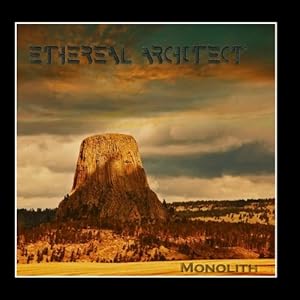
Ethereal Architect - Monolith Album Review


Ethereal Architect gave us their self-released debut album Dissension way back in 2007. At that time, despite some of the album's shortcomings, I saw a lot of promise. Now that the band has had five years to put together their sophomore follow-up, again a self-released effort, have they found a way to extract their potential and grow as a band? Well… maybe…

What's striking to me is that Monolith is very similar to Dissension. The band have not made a departure from their progressive metal roots, but by staying so close to what they've already done I feel like the five year wait was overlong. This could have been released a year after their debut, or even a week after, as it is so similar. This isn't necessarily a huge detraction, but it does lead to some slight disappointment, especially after such a lengthy wait.

Barring this lack of progression, you'll still find a very solid and well put together progressive metal album with shades of power metal and solos a-plenty. This time around some of the power metal leanings are a bit more pronounced, mostly in the progressions of some of the songs. Take "Oceans," for example, and follow its patterns of acoustic guitars setting the stage (and providing some accentuating touches throughout), the very melodic structure of the song, and the concluding soloing fadeout into falling rain. These are all very power metal oriented traits, but executed with a bit of a prog metal feel.

As mentioned in my review of Dissension, Ethereal Architect's David Glass rips out riffs and solos galore, and that has not changed one bit here. There are still many meaty riffs to be found, some with a definite thrash metal bend, but most staying in the traditional metal realms, while the solos continue to be flashy, but not to the point of feeling excessive or gratuitous. There is even a bit of flamenco in "Mercury" which caught me a bit off guard. It's the small flourishes like this and the choral vocals at the beginning of "Revolutions" that show the band thinking about pushing their boundaries, but not wanting to stray too far from what they know.

Adam Contreras is still solid vocally, but does try to push his range a bit more this time around, sometimes feeling a tad strained when reaching for the higher notes. This doesn't happen often and he drives the songs forward when he needs to, but also disappears at the right times to let the rest of the band strut their stuff.

At the end of the day, Ethereal Architect are a cut above the majority of the unsigned bands out there. They've polished their production, they've created interesting songs, they're extremely solid musicians, and they've stuck with it for more than half a decade (which is longer than most flash-in-the-pan bands you see today). Hopefully Ethereal Architect get their big break soon. They're ready for it.

Thursday, June 21, 2012

Vampires Everywhere! - Hellbound and Heartless Album Review

Some days I wonder what it must be like to be a poor, depressed, unliked teenager in today's high school environment. I'm assuming it must be light years worse than when I was in high school (which is the late 90's if you're curious). No doubt when Rachel won't talk to Billy because he's weird it must be so much tougher on Billy today than 15 years ago, and when you don't get a date to the prom it must be even more devastating than it used to be. At least I'm assuming things must be worse based solely on the popularity of bullshit bands like Vampires Everywhere being popular with the teenage, depressed, melodramatic, sad crowd. I can't imagine how bad things must be getting that kids would actually choose to lock themselves in their room, cover themselves in faux-goth makeup, and listen to this contrived Marilyn Manson rip-off crap.

The more I listen to this album, the more I imagine this is the soundtrack that spoiled suburban kids probably use to feel "edgy" or to piss off their anesthesiologist mom and VP of sales dad while complaining about how hard they have it living in a gated community where they have nothing better to do than listen to Hellbound and Heartless in their room on their parents' hand-me-down "old" Bose stereo. It doesn't go nearly loud enough to play crystal clearly through the door of his own private bathroom. Life is so hard!

Even disconnecting myself from that imagery, I can't disconnect from the fact that this is nothing more than a deliberate, cheap, rip-off of what Marilyn Manson did 15 years ago. The pseudo-satanic song titles and anti-government, anti-cool-kids, anti-popularity, anti-anything lyrics? Done better. The industrialized metal riffs? Done twice as good before the members of this band could even contemplate playing instruments. Hell, if you can listen to "Kiss of Death" once through and tell me it's not 100% derivative of Manson (if not outright copied), I will slap you in the face, kick you in shins and call you a filthy liar.

Vampires Everywhere steal absolutely everything from the Manson playbook; this includes their look (which is as pathetic as it is contrived) as well as going for a industrial-goth cover song to include on their album. In this case, they rape "Rape Me" from Nirvana. Do we need to keep going? If you don't get the picture by now that you'd be doing yourself a disservice by even thinking about turning your ear towards this band then, frankly, you must have a truly horrible life and I honestly feel sorry for you.

Ok… one last appeal to anyone on the fence, especially if you're a teenager with a still developing musical palette… I'm going to be as blunt as I can…

This. Album. Is. Awful.

Is that clear enough? I really hope so. If not, I fear for today's youth.

Monday, June 18, 2012

Lions Lions - To Carve Our Names Album Review

The members of Lions Lions certainly have plenty of experience, already having released one album and a couple of EPs together and then having individually been a part of Vanna, Therefore I Am, The Jonah Veil, and A Loss for Words. Their full length debut in 2009, From What We Believe, gave us an inkling of what the band was capable of, but seemed unpolished and a bit rough around the edges. The pacing didn’t feel quite right. The vocals were a bit overproduced. There were some subpar tracks. But you also had some stellar songs, catchy choruses, and the building blocks needed for a breakout album.

Three years later they've offered up To Carve Our Names, but they have yet to fully rectify the issues from their debut and have actually introduced a few more elements that are holding the band back. It's clear that they are striving to fit into the current post-hardcore landscape, yet somehow want to stand out from everyone else. What they don't realize is that to stand out they need to eschew the conventions of the genre that they end up so heavily relying upon. Their Beloved-lite mixed with Saosin approach is still the bedrock that every song is built upon, but what they build on top of it isn't always making use of the best materials.

There don't appear to be any real systemic problems with the album (other than being slightly bland overall). Lions Lions know how to create a solid post-hardcore song that is competent and well put together. However, at times they try to put some flourishes into their songs that simply don't work. There's the occasional metalcore breakdown tossed into a song, along with some harsh vocals, seemingly only to attempt to show they can be heavy. It doesn't suit them all that well, but isn't as horrible as some straight-up metalcore bands. Then there's the slight pushing of the clean vocals into higher ranges, which comes off as unnecessarily forced and somewhat uncomfortable. There's no reason to go there. And the acoustic track? I know they've done acoustic numbers before, but it just doesn't fit. At least it's at the end of the album so you can skip it.

With all that being said, there is still that glimmer of promise shining through most of the songs, which might make the frustrating moments seem all that more frustrating. Lions Lions seem capable of much more than what they've created thus far. I'm hesitant to say that they'll reach their potential in the future as they seem to be floating a bit aimlessly at the moment, but I'll try to be optimistic and believe they'll get things clicking the next time around.

Wednesday, May 30, 2012

After - Edges of the World Album Review

Grunge is a genre that is seldom touched any more, other than to maybe spice up the current hard rock song template. You have your Three Days Grace or Smile Empty Soul here and there that try to make the best of what they can do with the sound (which isn't much) while still maintaining their ability to attract radio play. You also have Alice in Chains and Jerry Cantrell trying to keep the sound alive single-handedly, but in comparison to the 90's, there's hardly a decent grunge album to listen to any more.

After don't go full-on grunge, but they do utilize the aesthetic quite well to craft their mix of Finger Eleven, Incubus, and Alice in Chains. Unlike other lost genres such as cheesy pop-punk or nu-metal, grunge isn't a bad influence to have attached to your music. After realizes this and make sure to put it at the forefront just often enough to show you that their love for the genre is not something they're ashamed of, but instead something that they're quite proud of.

The three original songs on this EP all feel like a combination of the aforementioned three bands (leaning much heavier on the Finger Eleveninfluence than the other two, though). "Days Ago" starts the EP off with what sounds like an unearthed Alice in Chains riff that leads into a strong, grungy, alternative rock effort. It's a very mature sounding song, and it would be well suited to be played on modern rock radio.

"Bones" and "Edges of the World" aren't as grunge riff filled, but take on a more progressive alternative rock sound with some grunge leanings. It's hard not to hear a lot of very early career Finger Eleven throughout these tracks. My guess is a lot of that has to do with the methodical, midtempo pace that the band utilizes to deftly straddle the line between full on rocker and anthemic alternative power-ballad.

The final track mixes things up with a grunge-ified cover of "Riders on the Storm" from The Doors. This song has been covered to death, but After do it justice and don't butcher it like so many others have before them. I sense a healthy respect as they transform the song into a distorted, riff-iffied new version.

There's a load of promise oozing from this EP. Given that it is quite a feat to find bands willing to play in this space and do it well, you'd be quite remiss in passing over Edges of the World.

Thursday, March 15, 2012

Lullacry - Where Angels Fear Album Review

Lullacry put out their fist album way back in 1999. It, along with the 3 albums they would follow it up with in the following 6 years, showed a band playing around with a combination of gothic metal, some traditional heavy metal elements, and a dash of straight up hard rock aesthetic. They seemed to peak on their sophomore album and by the time they released Vol. 4 in 2005, they already felt tired, worn out, and simply going through the motions. Vol. 4 felt like the band didn't even want to try and simply slapped together a group of hard rock tracks, shuffling them off hoping fans would buy it. That was their final album before this year's Where Angels Fear.

Honestly, when I saw this was an upcoming release, I was quite curious about what the band could put together after being away for so long. Could they have finally found their focus and hit the sweet spot they were so desperately trying to find, putting all of the pieces together that were there in their previous efforts? The quick answer: nope. Knowing that, is Where Angels Fear at least on par with previous releases? This answer to this is a qualified "nope" in that it's not even close to what they created on their earlier releases and only bests their weakest album, Vol. 4, by a hair.

What hurts the band the most is their continued pursuit of simplistic and bland songwriting. They seem to be trying to add various differentiating elements to their gothic rock sound, but it never quite elevates songs to the point that they're interesting. For example, "Bad Blood" sees the band trying to be a bit more bouncy, energetic, and punky, but the execution leaves a lot to be desired. They still resort to chunky riffs to bridge the verses and the vocals during the chorus feel forced while the background gang vocals are misplaced.

Not content to focus on their gothic metal sound, another experiment is "Still an Angel" where they seem to combine cheesy power metal lyrics and vocals with a hard rock song structure. It comes off as making a blatant play attempting to attract a broad audience beyond their core musical demographic. There are numerous moments where Lullacry are simple just for the sake of a broad appeal and, unfortunately, they're at their weakest when doing so.

Where the band excels is at creating gothic metal tracks. "Gone Are the Days" is a perfect example. The vocals stay within Tanja's range, there's a solid melodic bridge, the tempo is perfectly mid-range, and the thick guitar tones work to make the song nicely meaty. Lullacry are very, very good when they stay inside this realm… but for the majority of this album they continue to make attempts at branching out into genres where they just don't have the know-how to make it work.

Maybe it was too much to hope that 7 years would help Lullacry reorient themselves, especially after seeing that in 4 previous albums they couldn't ever really come into their own. They continue to show, frustratingly, that they have flashes of brilliance, but they choose to ignore them in their pursuit of other, simpler avenues.

Thursday, March 08, 2012

Thousand Foot Krutch - The End Is Where We Begin Album Review

Believe it or not, but back in college (which, for me, was 1999 to 2003) I didn't have nearly as discerning of musical tastes as I do now. At any given point, you'd be able to hear the likes of Papa Roach, Saliva, Korn, or Drowning Pool blasting from within my dorm room. Today, a decade later, I wouldn't listen to those bands if given the choice, and some I even have a hard time stomaching even in a nostalgic fashion. There's no wistful gaze on my face when I hear "Click Click Boom," "Bodies," or "Last Resort." Instead I question how I ever listened to that garbage 100% unironically.

Even though I don’t feel any connection to individual songs from the heydays of nu-metal and rap-rock (and, in fact, revile most popular tracks), I do sometimes find myself craving something completely and horribly nu-metal-ish to jog my memory, unearthing some of those collegiate memories of yesteryear. As soon as The End Is Where We Begin's "We Are" kicked off, my memory wasn't just jogged--it was lit up by a bolt of old school lightning. Thousand Foot Krutch, with this album, have created an unabashed tribute to the nu-metal glory days.

Throughout the 12 songs on this album, all of the popular genres of the late 90's and early 00's are covered. I dare you to take one listen to "I Get Wicked" and tell me with a straight face that it's not something Disturbed would have written in their early days. Not only does it have the type of song title Disturbed would use, but the guitars use the stuttering style they overused and the chorus vocals sounds identical to David Draiman.

Or how about "Be Somebody"? You can't tell me that it doesn't remind you of just about every mid-tempo song 12 Stones ever wrote which, incidentally, is nearly every song they ever wrote. It's your standard modern power rock ballad that has since been perfected and regurgitated ad infinitum by Nickelback and Shinedown.

Now it should not be ignored that TFK has been at this game since the heyday I speak of, but never have they felt so in touch with the aesthetic of turn of the millennium popularized metal. "Light Up the Sky" is equal parts Rage Against the Machine-lite and P.O.D. The guitar lines in the chorus are a dead ringer for what RATM would have written on their more lazy days and the rap-rock of the rest of the track are even lazier day P.O.D.

TFK also, believe it or not, somehow manage to channel the boy bands of yore. "Courtesy Call" is a relatively nu-metal'ed up track, but the opening could is a dead wringer for something that could have been written by the Backstreet Boys. Then the rest of the song sounds like an odd mash-up of a pop anthem and any nu-metal band that ever got famous from doing a cover song.

So is all of this throwback styling good or bad? Well that depends on what lens you look through when evaluating the album. From a completely critical perspective, this is pretty close to one of the most derivative and uninspiring albums I've heard so far this year. From a personal perspective, however, TFK know how to get the nostalgic juices flowing. Unfortunately, the critical lens must take precedence because, as much as I want them to be, my experiences aren't your experiences. To most, there's going to be no connection to this sound or fond memories and without that connection, this is a pretty awful album.

Tuesday, January 17, 2012

Lamb of God - Resolution Album Review

Lamb of God, if you count their days as Burn the Priest, have been around since 1990. Of course, Lamb of God proper didn't unleash their first album until 2000 in the form of New American Gospel, which set the groundwork for the rest of the band's popular career. Five albums later, on their sixth full length Resolution, Lamb of God looks to have reached a crucial point in their career that will potentially define where the band heads in the future.

Much like any band that's been around for quite some time and amassed a number of fans, it can be tough to radically change your sound. Look at what happened to Machine Head when they went nu-metal or Megadeth when they went radio rock with Risk. No great or popular band is completely isolated from making a misstep here or there. Both of the aforementioned bands made stellar comebacks after their weakest moments, proving that one error doesn't necessarily end your career.

This brings us to Resolution which, unfortunately, seems to be Lamb of God's St. Anger. I'm sure there are screams proclaiming blasphemy resonating from Lamb of God fans everywhere, but I think this is a very valid comparison, although I would definitely take Resolution over St. Anger any day. In fact, the career arc of Lamb of God closely resembles that of Metallica. Both started out raw, filled with aggression, and fueled by anger. Eventually Metallica softened and indulged in a glossier sound with their black album, much like Lamb of God's Sacrament. Over time both bands tried to dive back into their earlier sound, with Metallica outright failing on St. Anger and Lamb of God showing some promise, as well as significant weakness, on Wrath.

The leak of Resolution that hit the internet a week or so ago was heavily criticized because of the poor sound quality. Fans were sure that it had to be a rip of an unmastered copy of the album, which it most likely was, but even after hearing the mastered retail version, this is the rawest Lamb of God has sounded on any of their albums. Your first thought may be that this is a good thing--they're getting back to their roots--but getting back to your roots is never as easy as everyone assumes. The rawness detracts from the album as much as it adds to it. Yes, the glossy sound of Sacrament may have softened the band, but much like St. Anger this raw sound doesn't come across as the right type of "raw."

Randy Blythe's vocals are hurt the most by the band's choice to strip things down. His yells sound a bit more strained and less authoritative than in the past. His voice is still recognizable for most of the songs, but at times he comes across somewhat generically as he tries to rely less on his previously unique southern metalcore vocal approach. Some songs, such as "The Number Six," really stand out as showing him straining a bit too far away from his strengths.

The rest of the band don't fare too much better, with the drums (most notably the cymbals) seeming to lack punch and the guitars not being as thick as in the past. The band does sound much more "live" than on any of their other albums, and their thrash meets groove meets Pantera sound is as well put together as on Wrath, but this outing simply feels a bit more unfinished than it should.

Lamb of God fans should be ok with where the band is heading, but there might be some seeds of worry planted after hearing this quite lengthy release (it's nearly 60 minutes and could have been pined down to a stronger 45 or so). This feels like a temporary misstep for the band as they reorient themselves and figure out how to best move forward. If they can harness the energy and aggression of this release and also put on just enough polish, their next release can easily be their Death Magnetic or The Blackening or The System Has Failed.

Friday, January 06, 2012

Souldrainer - Heaven's Gate Album Review

Often times a genre gets so rigidly defined that any band playing in it nearly always sounds identical to every other band in the same space. For me, melodic death metal has become one of those genres. Either bands are trying to play classic MDM like early In Flames and At the Gates or they're trying to pull of the more "modern" MDM that bands like Scar Symmetry are playing where there's an added focus on hooks and melodic vocals. It's rare that I run across a band that tosses something new into the mix, which is why Souldrainer was such a pleasant surprise.

The bedrock that this album is build upon is undeniably melodic death metal, but what was constructed on top of that is an exploration of what you can do if you don't have such a laser focus on your target genre. Permeating nearly every song is a gothic metal vibe, attributable to the heavy usage of keyboards, which creates a nice backing atmosphere. This influence goes much further, however, than just some underlying keys. The entire tempo of the album is dictated by the gothic rock aesthetic. The mid-tempo pace of songs and lack of overdone, speedy progressions makes for a soundly, sturdily built album, but with this consistency comes some blandness.

The album consists of 12 tracks and considering that many share a lot of similar traits, there are moments where it drags, which shows that even if you have a fairly unique take on a genre you still need to have diversity within your album or you run the risk of making things more uninteresting than they actually are. Having noted this one shortcoming--the only real one this album possesses--let's further review the elements that Souldrainer used to construct this rock-solid album.

Throughout the course of Heaven's Gate there a number of influences that can be felt, from Paradise Lost to Dark Tranquility and Katatonia to Soilwork (newer era, of course). You won't hear passages that scream out, "That totally sounds like band X during that section," believe it or not, because Souldrainer does what any good band does--they mold their influences into their sound instead of just ripping off what they adore. How often do you hear an album where the influences of the band aren't 100% obvious? It's rarer than you think. So even though you can hear the elements or approaches of other bands, Souldrainer have designed their own album architecture instead of simply copying what has worked for others.

The members of Souldrainer are experienced musicians, so it is not unexpected to see such a solid effort, especially having delivered some relatively decent output in the past, but this reinforces another trait that is more important than many realize--experience. It's something that no doubt contributed to the overall polished and mature sound that this album possesses. Melodic death metal fans, new and old, should take a listen to what Souldrainer are doing. They're not building their music by the established guidelines and because of it, they have created something interestingly different to listen to.

Monday, October 31, 2011

Blindside - With Shivering Hearts We Wait Album Review

This is the last of my un-blogged reviews that I wrote for Decoy Music. I haven't had a chance to write another full review since this one was published as I have focused more on my Discoveries article series, which allows me to cover more bands and expose them to people who otherwise might not have heard of them. It's nice to be able to cover bands that you know and that are established, since exploring their history, changes, and new directions is compelling, but I would much rather get out the word on bands or artists who haven't yet been discovered by the majority of people who visit Decoy Music or read this blog. Anyhow, this was originally published on May 10, 2011.

It’s been well over a decade since I discovered Blindside’s self titled album in high school. Blindside and A Thought Crushed My Mind were staples of my discman as I exited high school and entered college. I would spend countless hours in the gym listening to a combination of Project 86’s self titled album, Chevelle’s Point #1, P.O.D.'s The Fundamental Elements of Southtown, and Blindside’s A Thought Crushed My Mind. They were the fuel that kept me going day in and day out. Since I already had a strong affinity for Blindside, when Silence hit I loved it before I even listened to it, and after listening to it, I embraced it as the minor masterpiece it was in the post-hardcore genre. But then things started to fall apart… About a Burning Fire had a few stellar tracks, but for the most part I was heartbroken by it. Blindside had changed again, which wasn’t unexpected considering the changes they had gone through from album to album up to that point, but the changes weren’t where I had hoped the band would go. Knowing everyone makes mistakes and deserves a second chance, I gave them another one when The Great Depression came out the next year. That was a mistake. Gone was everything I had loved about the band. Gone was the connection I had made to them. Gone was everything I recognized. We had finally, tragically, grown so far apart that I packed up my Blindside CDs and moved on. I guess we had a good run while it lasted.

But now, just like running into a long forgotten ex-girlfriend unexpectedly, Blindside has resurfaced with With Shivering Hearts We Wait. It’s been six years and things have obviously changed for both of us, but why not try to get reacquainted? Enough time has passed so that it’s not awkward to see each other and just talk. As we discuss how our lives have been over a couple of coffees, I notice that Blindside took the time we’ve been apart to look at their full musical history. They talk a lot about how they had explored so much territory and all of it was essential for their growth, but in listening to With Shivering Hearts We Wait, it seems to me that instead of focusing on what their true identity was, they’ve tried to concoct an identity that is a melding of everything they’ve previously been at one time or another… well, minus the early anger and immaturity that we all grow out of. I had hoped that all of their explorations and experimenting would help them pick out their true voice, but instead it seems like they’ve forced themselves to be what everyone wants them to be, trying to please everyone, which only leaves them frazzled and disorganized at times.

Just like an ex-girlfriend, I also see some glimmers of what I used to love. “There Must Be Something in the Water” could easily have come from Blindside’s Silence days and “My Heart Escapes” is a beautiful example of some of the relatable lyricism that I remember so fondly. It makes me yearn for what we shared over 8 years ago, but there’s no going back to that time. And just like an ex, for every glimpse into the past, every nostalgic yearning, and every unearthed memory, there are sharp reminders of what drove us apart digging into my side the more we try to reconnect.

It’s unfortunate that Blindside are still casually experimenting with unneeded keyboard usage, and their love for indie rock and Muse hasn’t gone away, so parts of our time together as we share With Shivering Hearts We Wait are obviously tainted. I try not to make any visible cringing because I don’t want to hurt their feelings, but I have to tell them that the indie rock influences just don’t quite fit them, and they shouldn’t force it… but maybe this is who they really want to be.

Truthfully, it was great to spend some time with Blindside again, catching up on what they’ve been up to, hearing some of the new things they’ve put together, but I don’t think I’ll plan on seeing them again. We say we should get together in the future, have dinner, keep in touch... We exchange numbers, making sure to complete this ritual of faking that things haven’t changed. We wish each other well, but I think we both know that the spark we used to share isn’t there anymore. We’ll always have the memories, and it was nice to be reminded of what we have shared, but the Blindside of today isn’t the Blindside I originally fell in love with.

Monday, October 24, 2011

Prayers for Atheists - New Hymns for an Old War Album Review

Every now and again a band will reach out to me with genuine interest in being reviewed or covered. When it happens, it is definitely a treat since most of the submissions and emails I get are from PR companies and labels that are ferrying off albums to any publication to cover them. Their press sheets and emails so desperately want to appear genuine, but it's almost always a ruse. But when you run into an artist that you can actively email back and forth with, who knows your publication, and asks for valid criticism... it's so refreshing. Prayers for Atheists were one of those artists and they were as genuine as could be in both my interactions with them and in their music. This review was originally published on April 5, 2011.

In 2009 Prayers for Atheists put out what I saw as one of the best EPs of the year with their self titled effort. It had moments of conscientious hip-hop, old-school flavored hardcore, and even some rap-rock elements. The topping on the cake was that there was a genuine sense of meaning and passion underlying every song. The 8 tracks on that EP were a huge debut from a great new artist bursting into the underground scene.

The inspiration for Prayers for Atheists’ debut EP was the Republican National Convention held in July of 2008. At that time, hate for a governmental regime that supported war, torture, and an obfuscation of policy was at the forefront of political movements. Since then, times have definitely changed—we now have a democrat for a president, the conservative movement and the Tea Party are gaining momentum in a response to government spending, the economy remains in shambles for the middle and lower class, and we are seeing political change throughout the Middle East. There’s a lot to be angry about, but there isn’t a single source to direct your hate towards like there was when George Bush was president. The United States seems to be a cauldron of unrest and anger that is desperate to find something to rage against, but there are simply too many sources of localized evil cropping up all over. Scott Walker is busy attempting to land a killing blow to Wisconsin’s unions. Dick Fuld and numerous c-suite bankers are laughing their asses off at pulling one over on the American people as they had their bad decisions completely subsidized on the backs of taxpayers. Barack Obama is waffling left and right on promises he made only a couple of scant years ago. And there is no shortage of seemingly corrupt local figures in communities throughout the nation. It’s exasperating just to think about it all. This wealth of evil is fuel for Prayers for Atheists’ fire, but the lack of a singular source of malice not only has affected the mindset of our nation, but I believe it may have lead to the feel of this record in comparison to the band's previous EP.

Unlike their EP, there are no strict hip-hop jams on this album. Instead Prayers for Atheists have focused exclusively on crafting anger fueled, late 80s inspired hardcore punk tracks interspersed amongst Rage Against the Machine flavored rap-core songs. Since there is such a divide between the two styles of songs on New Hymns for an Old War, I think it is prudent to look at the band in two different lights, one for each approach.

When cranking out decidedly retro hardcore tracks, such as “Ramsey County Blues,” you can hear the influences from past greats such as Black Flag, Dead Kennedys, and TSOL. The songs are balls out, straight-ahead hardcore punk and wouldn’t feel out of place if played between tracks from the aforementioned bands influencing Prayers for Atheists. From the raw production to the raspy vocals to the simple, rapid playing, it all screams classic polipunk and hardcore, which is so damn refreshing in an age of autotune and over-production where every band sounds glisteningly clean and glossy that you wonder if they actually played the songs on their albums.

Then there’s the other half of the record where Prayers for Atheists play a brand of music decidedly influenced by more modern bands (relatively speaking) such as Downset, Danko Jones, and Rage Against the Machine. Yes, the production is still raw and the band is still as pissed as ever, but you have songs that break out of the hardcore punk mold and take on a more decidedly rap-core sound. Don’t get any ideas that this is some Limp Bizkit bullshit, though. No, instead it is a straight up infusion of rap, hardcore, rock, and even some melodically sung choruses. A great example of this amalgamation of styles is the one-two punch of “Guns Up” and “Flies on the Water,” two tracks that capture all of the disparate elements of the band. Another track of interest, simply because it doesn’t fit either of the previously described molds very well, is “Keep Left.” There’s a reason I mentioned Danko Jones earlier in this paragraph… this track is as close to a classic Jones track as you can get without breaking out We Sweat Blood.

Genuine music is hard to find nowadays when it seems like so many bands just care about Facebook likes, Twitter followers, and other measurements of how popular they are. When you play exclusively for popularity, you sacrifice your voice in favor of appealing to those you want to so desperately like you. Prayers for Atheists don’t seem to care about this, but instead they want to get their message out and do so in their own way, whether you like it or not. Thankfully, if you do cherish music with a message, even though it may sometimes be muddied, that was made by people who truly believe in what they’re doing, then you will fall head over heels in love with New Hymns for an Old War.

Sunday, October 16, 2011

(hed) p.e. - Truth Rising Album Review

How many second chances is to many? Most would argue, any more than one. (hed) p.e. is a band that I'm pretty certain I gave a few too many second chances to. After seeing them live during my college years and playing their early efforts incessantly, I wanted so badly to think that the band, after releasing horrible album after horrible album would eventually return to the form that I remembered. It hasn't happened yet and I am quite sure it never will. This review was me giving them, I hope, their last second chance. This was originally published on December 7, 2010. 

Every album that this band puts out continues to amaze me for one gigantic reason—I can’t believe people still buy anything they put out. After their 2003 album Blackout, which was pretty good for what it was (a rap-metal, nu-metal combo), they put out 4 albums in a row that were all simply unlistenable. You can really chalk that up to Wes Geer leaving the band and taking all of the band's talent with him. Once he left the fold, what was left was Jahred Shane trying to continue on as, essentially, a new band, which led to bad songwriting, cringe-worthy lyrics, simplistic song structures, reckless stabs at experimentation, and an overwhelming aura of suck. (hed) pe tragically turned into a joke band but didn’t realize that they were the punchline.

With their streak of badness in full effect with last year’s New World Orphans, I fully expected Truth Rising to be a continuation of their desperate attempt to somehow regain any of the popularity they had in the early 2000s. Needless to say my expectations were low, so when I didn’t immediately loathe the album, I had to think hard about whether my expectations were somehow just that low or if (hed) pe had improved in the last year. On one hand, the band seems to have actually tried to write some good songs, but on the other hand there are also some truly horrendous tracks.

Just to be clear, there are many things that are really, really easy to hate about this album. The biggest that you’ll notice just from glancing at the track list is the sheer number of tracks, but there aren’t nearly as many songs as there are tracks. The band employs 8 intro/outro tracks to “set the stage” for songs, but the only thing they do is annoy the hell out of you and break apart any flow the album has. Then you have the token misogynistic rap tracks, such as “Takeover” and “Murder,” that dare you to keep from hitting the skip button. It’s hard to imagine a grown man in his 30s writing such juvenile and putrid lyrics. Lastly, there are some punk-infused metal tracks that feel very forced and just as out of place as the rap tracks, but not nearly as terrible to listen to. They’re moderately tolerable, actually, except for when you listen to the lyrics, but that’s really a general problem this band has had their entire career. However, it is somewhat frightening how much worse their lyrics have gotten with each new album.

That’s a lot of really terrible downsides to an album, so any upside is going to need to be extremely redeeming for the album to warrant your time. Unfortunately, even though (hed) pe have grown, they haven’t grown enough to truly be worth devoting your ears to. Knowing that, though, there are some tracks that you should give a listen or two. “Forward Go!” is catchy as hell, balancing on a fine line between the heavier end of radio-friendly metal and non-radio friendly aggro metal. There’s a perfect blend of aggression, vitriol, and catchiness on this track that, if the band could do similar things on other tracks, they’d meteor back into relevancy. “Stand Up” is also notable, and not just because Lajon Witherspoon of Sevendust makes an appearance. It is another well put together metal track that has the band sounding both energetic and in command.

It’s frustrating to see a band continue down a path of mediocrity and irrelevance, especially when they have glimmers of brightness and talent. These moments are so few and far between, though, that you at times wonder if they are more the product of luck than of talent, but on the off chance it is talent shining through, we can continue to hope for better things, but the smart money would be to bet on continued unlistenable output.

Friday, October 07, 2011

For Today - Breaker Album Review

I received a lot of flack for this review. I'd been highly critical of the band in the past and considering that, in my opinion, they had not really progressed much since their formation, my criticisms did not wane. It's interesting to see how polarizing any Christian hardcore or metalcore band can be. I suppose it's that way with any Christian or religious subject, but there is so much blind defense of bad religious metalcore bands that it sort of baffles me. And I know that many bands exploit being "Christian" in order to gain exposure and make money because of this, regardless of talent. I stand by this album and band being completely generic and, in many cases, just downright bad. This was originally published on August 18, 2010.

Frankly, I’m pretty surprised that For Today has made it to a third album. Considering that their debut from two years ago, Ekklesia, was about as unlistenable as a metalcore album can get and their follow up, Portraits, was only slightly better (which means it was still predominantly terrible), all signs pointed to the band fading away. They didn't, though, and with Breaker we see For Today changing their sound slightly, but unfortunately not really becoming that much more engaging. For every small improvement they made, they had an equally notable negative change.

To start, this album has some horrible flow. Of the 12 tracks on the album you have 3 poetry readings that are from one written work, but broken up throughout the album. I’m not sure what the point of this was, but it leaves you with only 9 actual songs, one of them being the culmination of the poetry readings into a very blasé album closer that sounds like a collaboration between Amy Grant and Sleeping Giant in full-on “I love God and so should you and I’m going to overtly tell you why” mode. Maybe the band was running short on material, which I could see as plausible since most of what is here is formulaic and basic, leading me into discussing the biggest issue this album has--a lack of anything interesting.

On their sophomore album, For Today tried to expand upon their very basic metalcore sound to include some quasi-technical moments, which was admirable and helped them sound less generic. However, on Breaker For Today have tossed aside any aspirations to be technical and instead focused extra hard on trying to be the next August Burns Red or War of Ages. They’ve taken their original, bland metalcore sound and dumped in numerous bass drops, also-ran breakdowns, and a thickening of their guitar tones. This makes them sound “heavier” and will have anyone who is not very judicious about what type of metalcore they listen to stomping along, but it also dumbs down the majority of their songs.

There are a couple of instances where the band tries to do something a bit interesting, but they aren’t enough to salvage the album. “White Flag” makes use of some melodic group vocals in the chorus, which actually provides a nice counterbalance to the breakdown loaded verses. Because of this approach, this track is actually one of the stronger songs on the album and gives a glimpse of what the band can do when they’re not stuck in a rut. “Arm the Masses” has the band collectively picking up the pace towards the end with the vocals being spat out nearly rap-ish like in an angry flutter. This may not be the best idea as it gives the band a somewhat rap-nu-metal sound, but it shows the band stretching, which they desperately need to do. Finally, you have “Phoenix” which starts off with a very straight ahead, solid hardcore passage before the band falls back into metalcore breakdowns. However, the hardcore motif does come back up here and there throughout the remainder of the song.

I want to believe that For Today have a solid album in them somewhere since they’ve shown some glimmers of hope on Breaker, but I’m also wary that they’re too easily drawn to sticking with what they know, which is generic metalcore. They are making incremental steps towards breaking out of their self-imposed boundaries, but if they are this slight every album, it may be another 4 or 5 albums before the band really breaks out. I don’t think that even the most forgiving metalcore addict has that much patience, though.

Friday, September 30, 2011

The Showdown - Blood in the Gears Album Review

I remember seeing The Showdown many years ago after their first album came out. They were playing at some Christian club with some other Christian metal bands. I wasn't really into their debut, but after seeing them live I thought they were a ton of fun, so I kept up on them throughout their years, watching as they changed their sound in various directions and, eventually, on this album, put all of their soul searching together to finally gel and sound at home in what they created. I still kick this on every now and again when I want some southern swagger in the metal that I listen to. This was originally published on August 13, 2010.

It’s not too much of a stretch to say that The Showdown, through the course of 3 albums, had not yet found their identity. They started out as a pretty solid metalcore band with some death metal and heavy metal influences. On their sophomore effort, though, they completely re-invented themselves as a southern groove metal band. This newfound sound did not go over well with their established fans and didn’t engender themselves to the southern rock crowd since it felt like they were just ripping off Maylene and the Sons of Disaster. Then came Back Breaker where they tried to mix their two dissimilar sounds together with very mixed results. They still didn’t seem to feel comfortable in their own skin. After some lineup changes, they’re back with Blood in the Gears and, finally, the band has found their sound.

Maybe it’s the new members. Maybe it’s the fact that Jeremiah Scott, their new bassist, took over a chunk of the writing duties. Or maybe it’s just that the band have finally found the perfect blend of all of the sounds they’ve toyed with over the course of their first 3 albums. Blood in the Gears is a perfect synthesis of their early metalcore/death metal sound and their later career southern swagger. Whereas in the past they never seemed to pull these two genres together cohesively, there are now a number of songs that take everything they do and mix it together successfully. And when they do venture down a path of exploring one direction more than another, they transition from song to song so well that it doesn’t feel forced. The perfect example of this is when they go from the two minute rager “Bring It Down” to the bluesy metal of “Take Me Home”. They go from the one extreme of ripping out blistering thrash solos and death metal inspired metalcore to another where they’re trudging along in a whiskey-soaked blues stomp.

On past albums when the band experimented with their southern sound, it never quite felt authentic. At times they sounded like a biker bar cover band that was trying to branch out and write their own tunes instead of an accomplished metal band trying on a new sound. Here, however, the band sounds just as much at home when they’re getting their southern swagger on as they are when they’re ripping through thrashy solos and metalcore progressions.

As much as the band has matured and succeeded in making one hell of a southern-fried metalcore album, there are a couple of small missteps that should be noted. There are some tracks, notably “No Escape”, where the band let a little too much of an 80s hair metal feel creep in, which is a little out of place, but not enough to completely ruin any songs. The other thing to note is that there are a few moments where David Bunton tries to add some gravel to his singing voice, and it feels a tad forced. You will really notice it on the closer “Diggin’ My Own Grave”, but it creeps up in a few other places as well. However, these are really not very big complaints when looking at the album as a whole.

The Showdown has created a solid mix of southern metal and metalcore that demonstrates what a band can do when they’re firing on all cylinders. For anyone that wrote them off after Temptation Come My Way or Back Breaker, now is the time to come back and give them another shot. They’ve grown, they’ve listened to a ridiculous amount of Pantera, and they’re ready to show you how some good ol’ down south metal should sound.

Tuesday, September 27, 2011

The Burial - The Winepress Album Review

This is yet another review from when I was pretty much listening to metalcore 24/7. I'm not exactly sure why I was so obsessed with the genre for so long... maybe I was just generally angry, aggressive, or pissed off, but I am hoping that's not the case. Looking back, the vast majority of the bands I listened to in the metalcore genre throughout 2010, including The Burial, I rarely ever actively go back to listening to. If they come up on random, so be it, but I'm not seeking out metalcore to listen to any longer. I've moved more towards the djent and progressive metal realms now... so I'm sure in a year I'll look back and wonder why I was so obsessed with djent bands! This was originally published on August 11, 2010.

The hooks that metalcore bands have used over time to snag an audience’s attention have continually changed as the scene has shifted from one direction to another. Earlier this decade, metalcore became a popular alternative to the nu-metal glut that had overpowered the metal realm. Once metalcore had secured a foothold, however, bands needed something to set them apart. Why not add some melody and clean singing? It worked for a number of bands, and is still widely practiced today, but eventually that hook wasn’t unique enough, so there was a swing to the opposite end of the spectrum—deathcore. Instead of using any type of melody, bands dug deep to be as brutal as possible, but as we all know deathcore is now a dumping ground for crap bands made up of 95 pound, tight jean wearing, suburban Hot Topic kids that just want to seem intense. So what’s next? If the past 6 to 12 months are accurate, the next shift is most likely towards technical metalcore. This retains the heaviness needed to be “brootal” but also tries to show a band has chops. As with any trend, though, you have trend setters and trend followers. The Burial are one of the latter.

On their short, eight track long Strike First debut, The Burial sound more like Mychildren Mybride than The Black Dahlia Murder (and in case you didn’t pick up on it, that’s not a compliment). It’s obvious that The Burial desperately wants to play alongside the big boys of the genre, but they just don’t quite have the talent to do so yet. They have the song progressions down, they know when to toss in solos, and they eschew any ideas of melody, yet the execution of the individual components leaves something to be desired.

In the vocal department David Marshall has a solid, guttural yell that suits the style of music the band is playing, but there is so little variation in his approach that by the time you get to the end of the album, and it’s not that long, you’ll be more than sick of listening to him yell at you in the same exact manner over and over again. There are the occasional layered vocals, but because he doesn’t have much range it doesn’t do anything more than increase the volume and fill of the vocal passage.

Todd Hatfield and Jeff Wright, manning their axes, have a good command of the technical metalcore realm, but there are weaknesses that can be seen throughout the album. Their progressions are solid and the breakdowns do what they need to do, sometimes sounding like they could be outtakes of August Burns Red tracks (which isn't necessarily a bad thing), but the solos and sweeps are where you get the feeling some extra polish and practice could have made a difference. Some of the solos feel rushed while others feel slightly out of place. I actually had a hard time finding solos on the album that sounded like they belonged, which is rough considering The Burial want to be in the technical realm.

All is not lost, however, as the band does show promise. Everything noted here can be addressed by the band. With focus, refinement, and development, The Burial can take the template of the genre, which they demonstrate they understand, and use it as a springboard to create something captivating in the genre. At the current moment, when looking solely at The Winepress, however, we see a band struggling to get where they want to be but taking steps to move forward.

Friday, September 09, 2011

In the Midst of Lions - The Heart of Man Album Review

Metalcore, having been a genre I've listened to avidly since its inception, is sort of my safety net, musically. I'm fine to listen to just about anything metalcore and can easily come up with comparisons for bands when necessary, but because I've listened to so much of it, it makes it extremely tough for any new release to live up to the many, many albums I adore from the genre. So even in a situation, like with In the Midst of Lions, where they make a huge leap forward, I'm still cognizant that they're not at the same level as other bands. One of the pitfalls of being around for years, I guess. This was originally published on August 2, 2010.

I was surprised to see a second album being released by In the Midst of Lions, and on Facedown Records no less. Their debut, Out of Darkness, was a sloppy mess with pretty shoddy production and not a lot of promotion given it was released on Strike First Records (Facedown’s test-bed label imprint). Getting some information about The Heart of Man, I read that it was recorded with Jamie King, who we all recognize for his work with Between the Buried and Me, which got me a little more interested. At least the production on the album should no longer be a problem. I was still a bit skeptical, however, since it had only been about a year since In the Midst of Lions’ last album, which didn’t leave a ton of time for the band to grow.

Digging right into The Heart of Man I did notice that, as guessed, the production was much, much better this time around. It gives the band a much more polished sound and was able to cover up some of the band’s weaknesses, but some things still managed to shine through despite the great uptick in production quality. This is predominantly a deathcore album, even though the band pepper songs with some technical death metal chunks. That, unfortunately, starts the band off in the hole since the deathcore genre has become the new trend for every "heavy" band to jump on, much like melodic metalcore and nu-metal before it. Good bands in any genre, however, can overcome the conventions of the genre. Here, however, we see a band trying to do that but not quite getting over the hump.

There are some really great tracks on this album that do show the band has chops and have grown since their previous release, but others continue to feel underdeveloped and sloppy. “Released” shows the band at their best, using all of their talents and weapons to craft a stellar song. The track is quite technical in nature, has well crafted-breakdowns, uses some very melodic guitar lines, and mixes together their standard deathcore vocals with some sparingly and nicely used clean vocals. It’s really a reflection of what the band can do when they focus all of their talents.

But then you have songs like “The Machine”. Ironically, living up to its name, the track feels very mechanical in nature. The verse of the song uses a so very familiar chugging pattern that is a staple in the genre, while the up-tempo movements feel rushed and don’t transition well. Yes, the guitars are shredding along at an insane clip and the drums are pummeling you with triggered blast beats, but they don’t feel like they necessarily go together all that well, despite their blazing speed. The song does close nicely in the final 20 seconds, but that’s really the only saving grace of the song.

Then there are tracks like “Defiance” where they give you something to love, like some well done shredding guitar work and a nice solo, but also bring in some elements that drag the song down, such as the spoken word vocals that just don’t work in this genre. Why ruin a perfectly solid and well written song with such an odd choice for vocals in the latter portion of the song?

The other hang-up I have with this album is the fact that I kept feeling as if the band was playing a little too closely to their influences and stuck strictly to melding deathcore with tech death moments. There was a distinct early career Between the Buried and Me vibe throughout the album, which could just be because of Jamie King’s involvement, but I also felt some moments that reminded me of The Faceless. And there seems to be a distinct division between when the band is in full-on deathcore mode and when they’re in tech death mode. They don’t seem to synthesize the two as well as they could.

Despite these criticisms, In the Midst of Lions have grown quite a bit since their debut, but they do still have a ways to go before really breaking out and turning people’s heads. As it is, The Heart of Man is a solid, if unspectacular, entry into the tech deathcore realm. Genre aficionados will be all over it, I’m sure, but the band will have a hard time making any headway outside of that group for the time being.